
Animal Farm vs. the Human Neighbours
Animal FarmTraces the farm's external conflicts with Pilkington, Frederick, and the human world, from hostility to eventual collusion.
increasing Bearing strength in each event
 decreasing
Bearing strength in each eventdecreasingInitial Hostility and Rumours
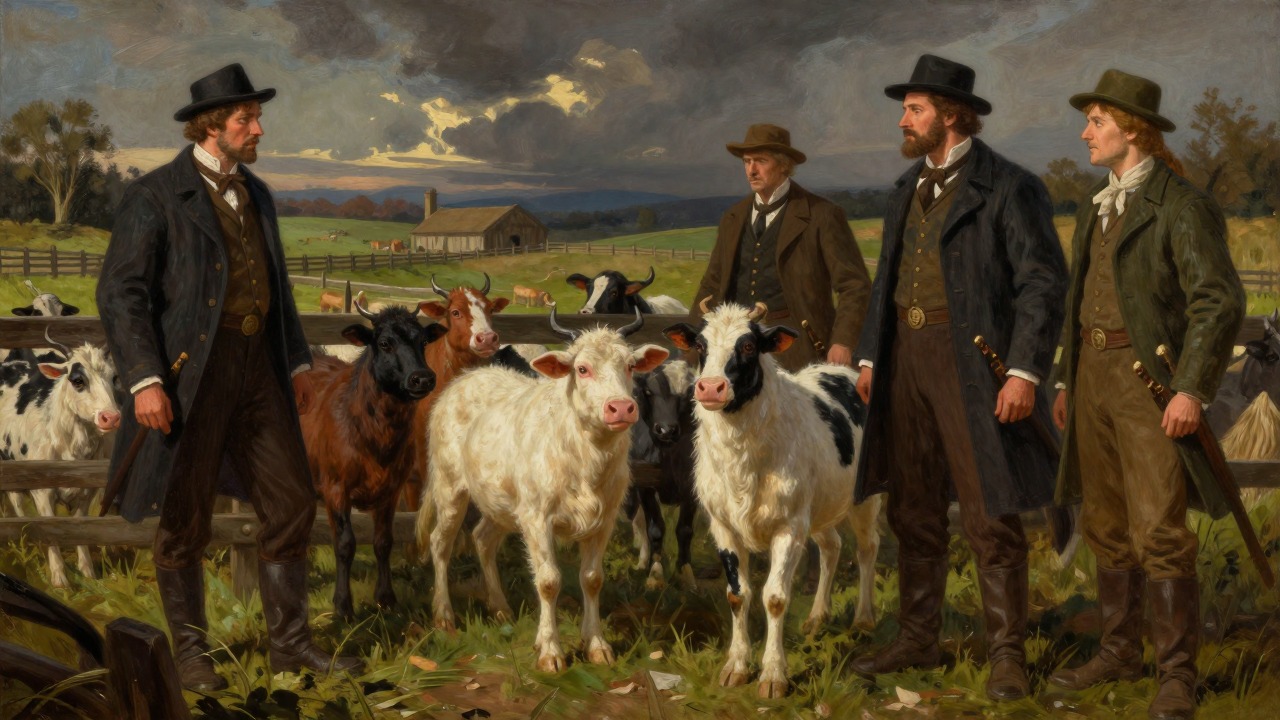
The human neighbours, Pilkington and Frederick, are terrified of the rebellion. They spread rumours of cannibalism and torture on Animal Farm to prevent their own animals from revolting. They refuse to call the farm by its new name. The animals are isolated but proud.
The Battle of the Cowshed
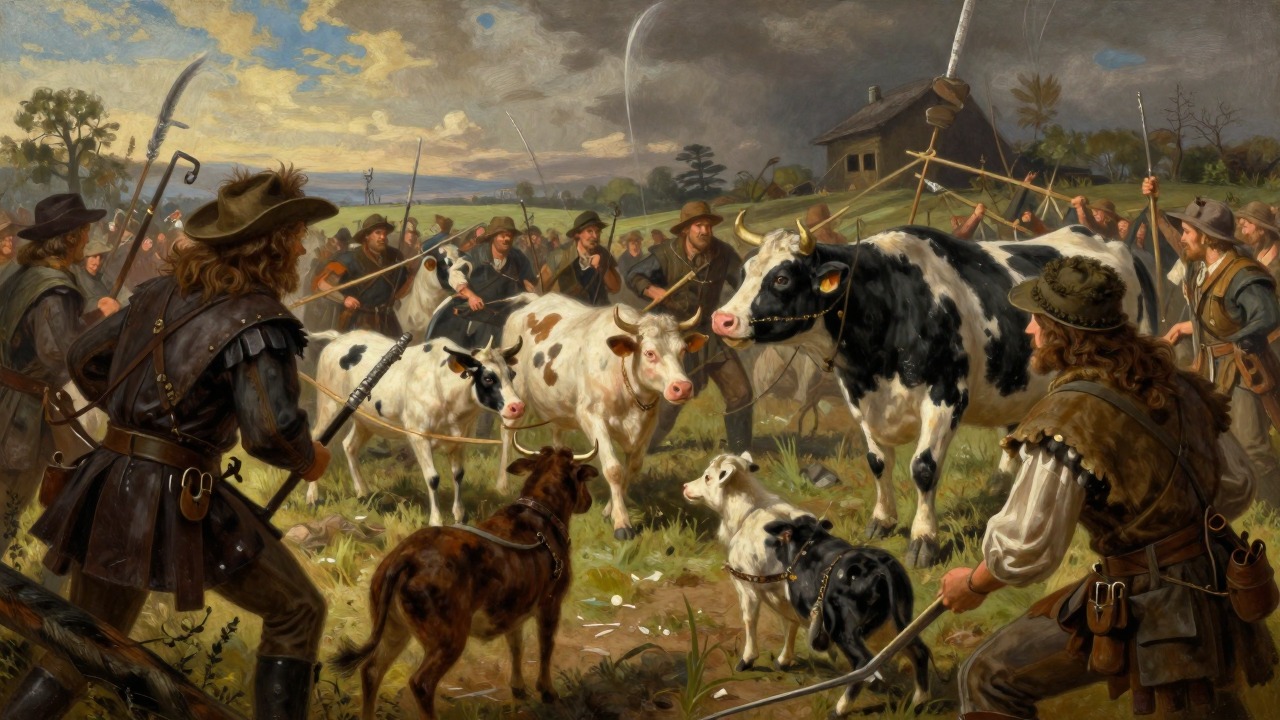
Jones and his men, supported by neighbours, attack the farm. The animals win a decisive victory. The human world is humiliated, and the rebellion gains prestige. The battle heightens the animals' confidence but also reinforces their paranoia about future attacks.
Competition for the Timber
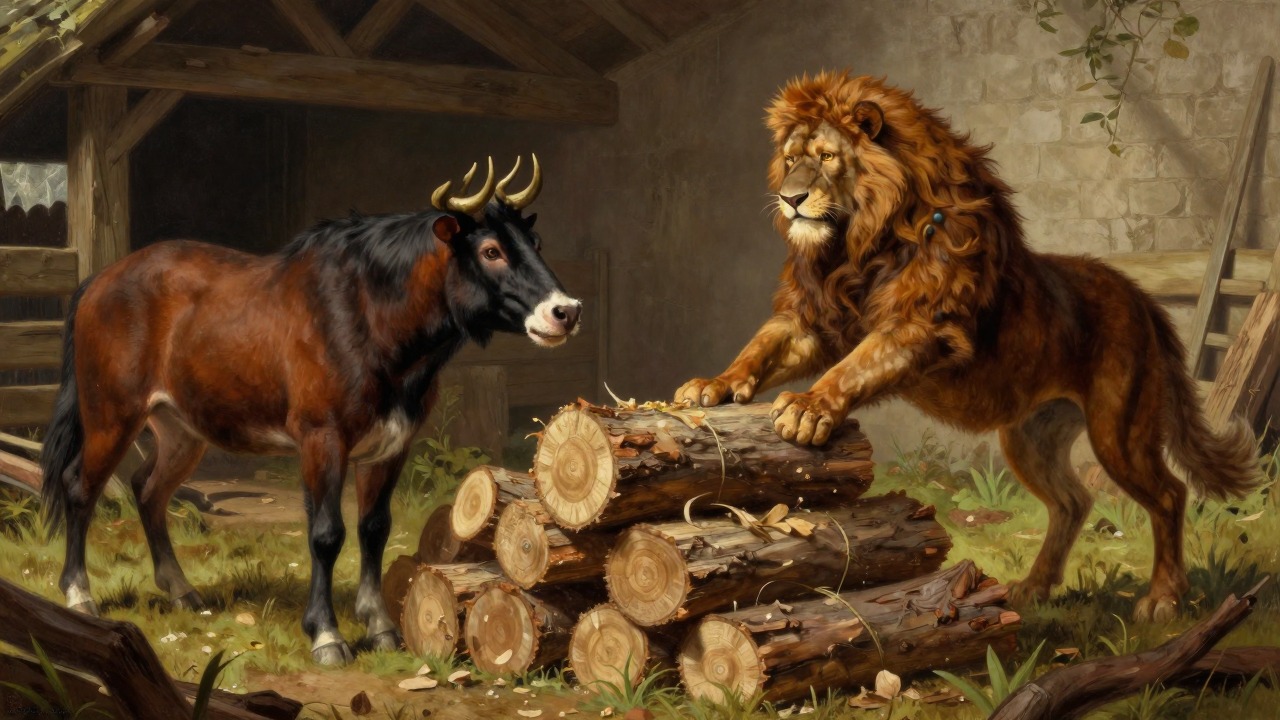
Pilkington and Frederick both court Napoleon's favour, offering to buy the timber pile. Napoleon plays them against each other, but both are untrustworthy. The timber deal becomes a source of intrigue and betrayal. The farm cannot avoid entanglement in human politics.
Frederick's Betrayal and the Battle of the Windmill
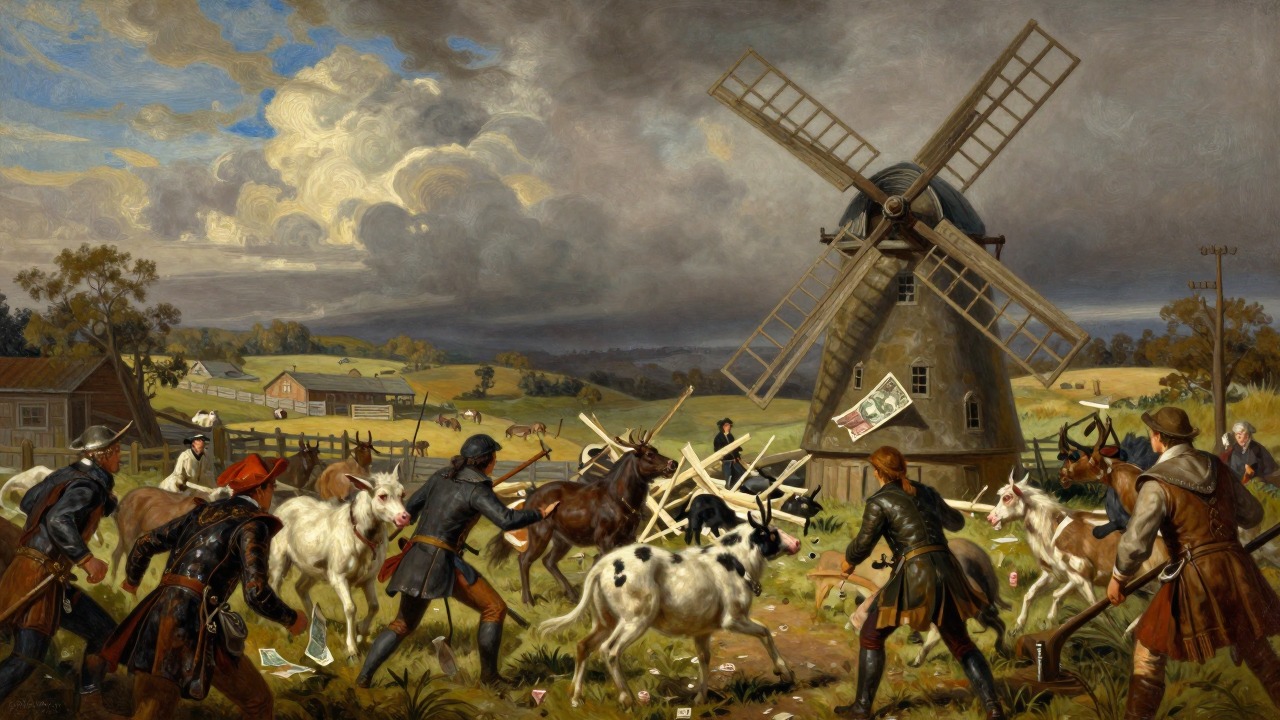
Frederick cheats Napoleon with forged banknotes, then attacks the farm and destroys the windmill. The animals fight desperately and drive him off, but the windmill is lost. The conflict with humans escalates to outright war. The farm suffers heavy casualties.
Reconciliation and Fraternization
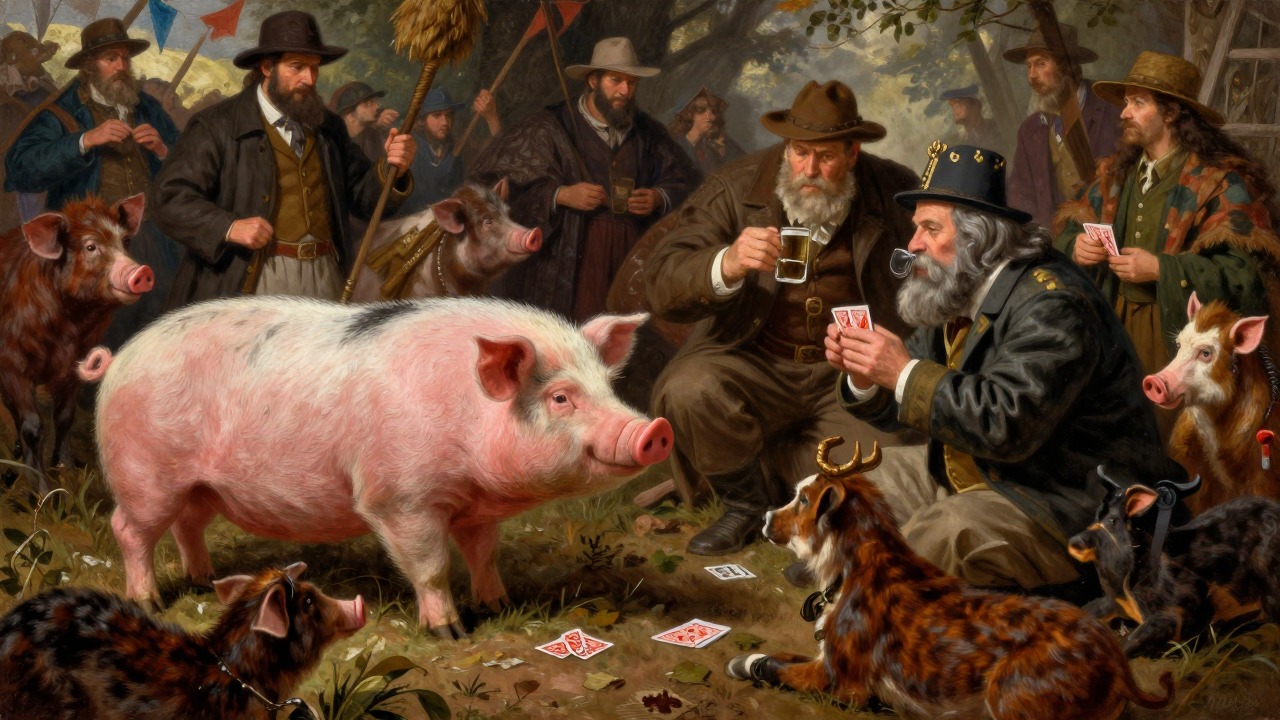
After the battle, the pigs gradually reconcile with the human farmers. Pilkington and Napoleon become friends. The final scene shows pigs and humans drinking together, singing, and playing cards. The conflict resolves into a partnership of the oppressors. The lower animals are still excluded.
Node 1
Node 2
Node 3
Node 4
Node 5
